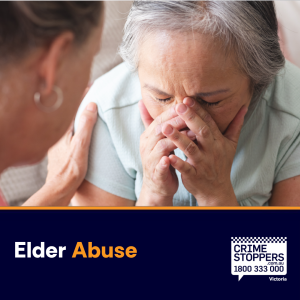
Bystanders play a crucial role in stopping elder abuse and keeping older people safe; a powerful example is John’s story.
John, an elderly Victorian living alone and facing cognitive challenges, was targeted by his neighbour, Lorraine. Exploiting John’s vulnerability, Lorraine stole his late wife’s jewellery, tricked him into revealing his bank details, and funnelled his savings into her own account. When she tried to tamper with his will using fake documents, a sharp-eyed solicitor remembered Lorraine’s past attempts to manipulate another elderly person’s will, signalling that something fishy was going on.
The solicitor intervened and alerted authorities.
Police conducted a welfare check and secured an intervention order, with guardianship managed by State Trustees, protecting John’s wellbeing and assets.
This case is a prime example of the importance of bystanders and intervention to protect elders from abuse and exploitation.
Elder abuse remains a hidden crisis, affecting countless seniors who are often unable to speak out for themselves. Bystanders hold the power to change this narrative by recognising the signs of abuse and taking action to ensure the safety and dignity of our elderly loved ones and stop silent suffering.
Bystanders often face the daunting task of confronting suspicions, navigating delicate family dynamics, and breaking the silence that shrouds this form of violence.
Yet according to According to Family Violence Command Senior Sergeant Alasdair Gall, “That is the hardest part of the issue.”
When it comes to discussing suspected elder abuse with older individuals, Senior Seargent Gall explains the complexities that surround such conversations.

“Often older persons who are at risk of being abused feel ashamed,” he notes.
However, he emphasises that many people experiencing elder abuse still harbor deep affection and love for their abusers and just want the abuse to stop.
To raise the difficult topic of suspected elder abuse to an older person, “It may be a matter of seeking advice from a community based legal centre, support agency, of how best to support and encourage the older person to discuss any suspected abuse,” he says.
However, it is vital that those who know of or suspect someone they know is experiencing elder abuse they should come forward and report it to the police.

“The majority of perpetrators are other family members who need to be held to account for these crimes – so by telling us, we can do something about it and keep victims safe.”
Senior Sergeant Gall emphasises the importance of preventative measures in mitigating elder abuse. Encouraging community engagement, supporting primary caregivers, and remaining vigilant for signs of exploitation are crucial steps in safeguarding vulnerable elders.
Not only is it important to intervene when abuse is occurring it is equally as important to put preventative measures in place.
“Encourage older people to keep involved and engaged in their local community,” and look for any significant changes to the health/wellbeing of an older person, older people can become vulnerable if their health deteriorates.”
He explained to also “Be cautious of extended family of family, friends or caregivers who interact with the older person who may be in need of financial assistance.”
If you have an elderly loved one already in or moving to an aged care facility, Senior Sergeant Gall explains that it is vital to be “aware of the different types and signs of elder abuse.”
The most common signs and symptoms of elder abuse can include: injuries such as bruises, cuts or broken bones, neglect or weight loss, poor hygiene, symptoms of anxiety, depression or confusion, unexplained transactions or loss of money, and withdrawing from family members and friends.
Senior Sergeant Gall notes that calling your loved one regularly and visiting them often can prevent potential elder abuse.
If you or someone you know is experiencing elder abuse, here are some steps you can take:
In an emergency: Dial Triple Zero (000) for immediate help.
Police Intervention: Contact your local police station to report elder abuse. Victoria Police takes decisive action to protect victims, including issuing Family Violence Safety Notices or Intervention Orders, investigating criminal acts, and referring both victims and abusers to community support services.
Report Anonymously: If you are suspicious of elder abuse happening to a family member or friend and there is no immediate danger, you can report anonymously by calling Crime Stoppers on 1800 333 000 or making a report online
Resources:
Victorians can also contact a support service for advice. Seniors’ Rights Victoria has a free confidential helpline: 1300 368 821 or you can visit their website seniorsrights.org.au. Additionally, the National Relay Service can help with a call if you are hard of hearing or have difficulty being understood verbally. The Translating and Interpreting Service can offer interpreters in more than 150 languages if English is difficult for you.
Further Resources
Explore our safety campaigns with expert advice and essential tips on staying safe — at home, on the road, and in Victoria.