

Australians may have a reputation of being laid-back, but when it comes to driving, this stereotype seems to crash and burn. Many of us have experienced road rage at some point in our lives. But what exactly defines road rage, and why does it seem to effect so many Victorians?
Road rage is not merely an expression of frustration; it is an eruption of anger and aggression that can transform a routine drive into a dangerous encounter. Road rage can involve a range of behaviours, from verbal tirades like swearing and shouting to physical acts of aggression such as threatening or harming fellow drivers and damaging vehicles. Given the potential dangers associated with road rage, it is important to understand what may trigger such behaviours and who are most affected.
What triggers road rage and who is most affected?
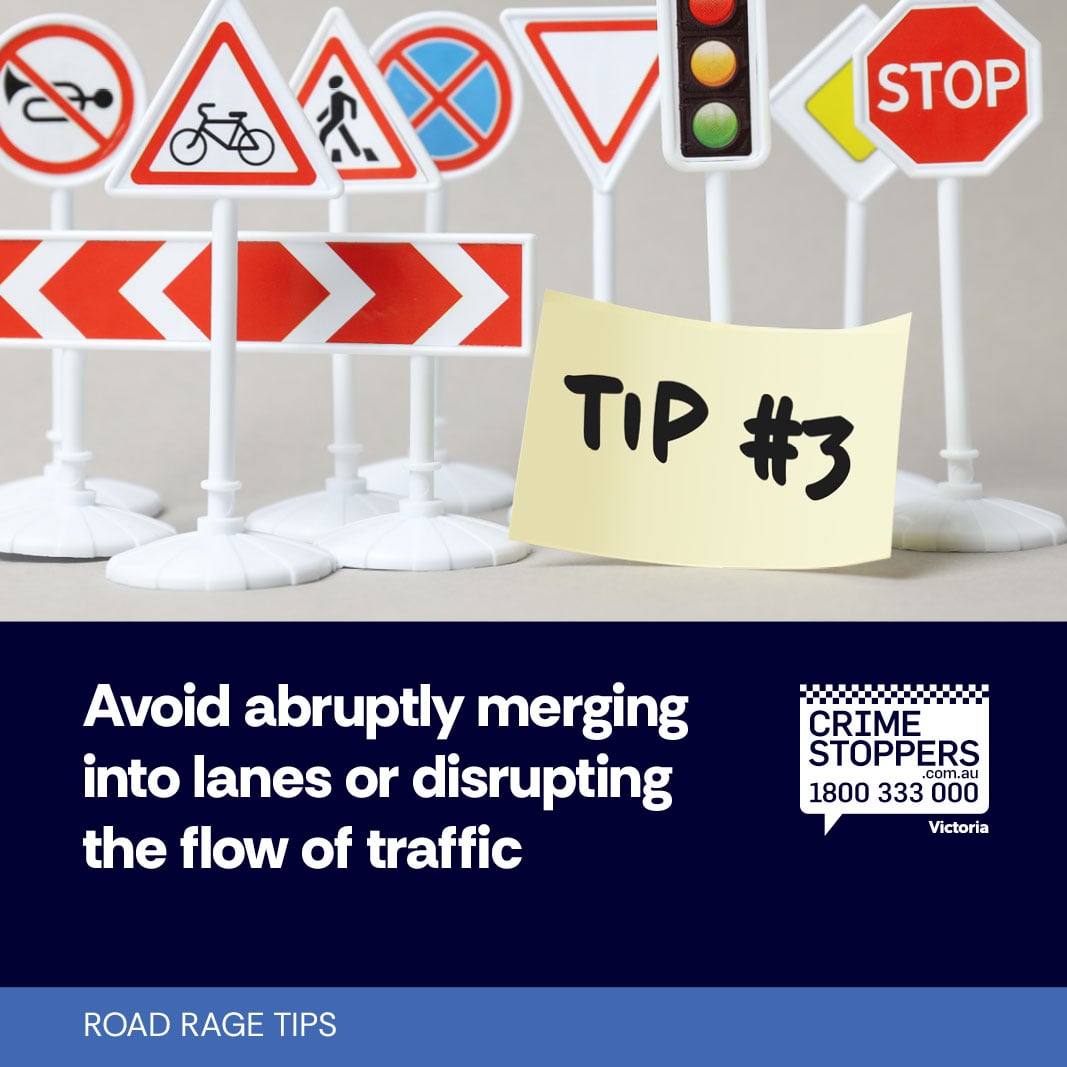
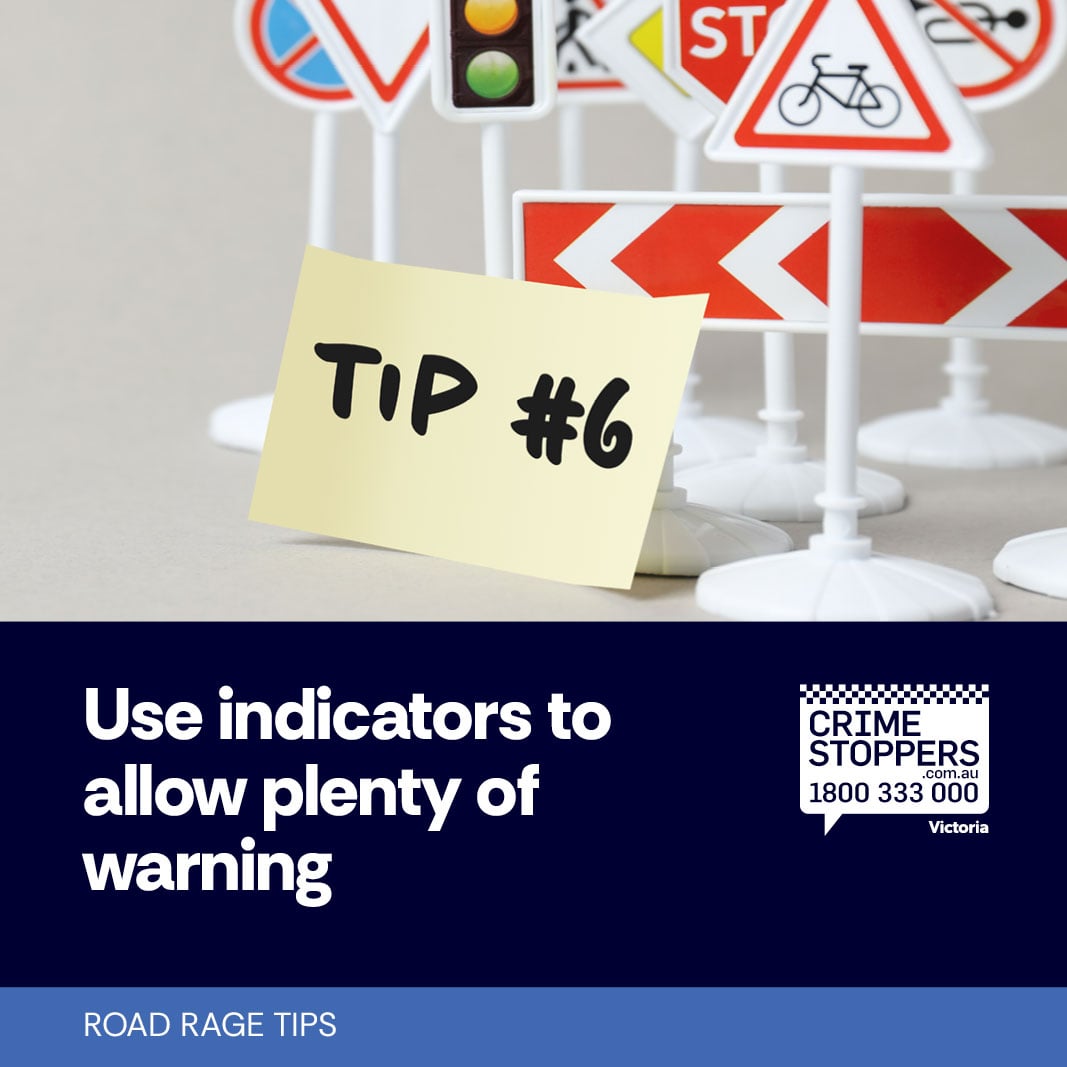
There are various factors that can trigger road rage, leading to confrontations between drivers. From the irritation of last-minute lane mergers to the frustration induced by the lack of signalling from other drivers, angry interactions between individuals on the road can quickly escalate.
While we can all feel frustrated whilst driving, certain demographics may be more likely to engage in road rage. According to a 2024 analysis conducted by Finder.com, men were more likely to be involved in road rage incidents, with nearly half of male drivers admitting to aggressive behaviours compared to just over 44% of their female counterparts. Additionally, individuals between the ages of 25 and 34 were identified as the demographic most prone to perpetrate violent acts on the road. However, those aged 55 to 64 were more likely to express road rage through verbal outbursts or rude gestures while driving.
Keeping your cool: Strategies to combat road rage
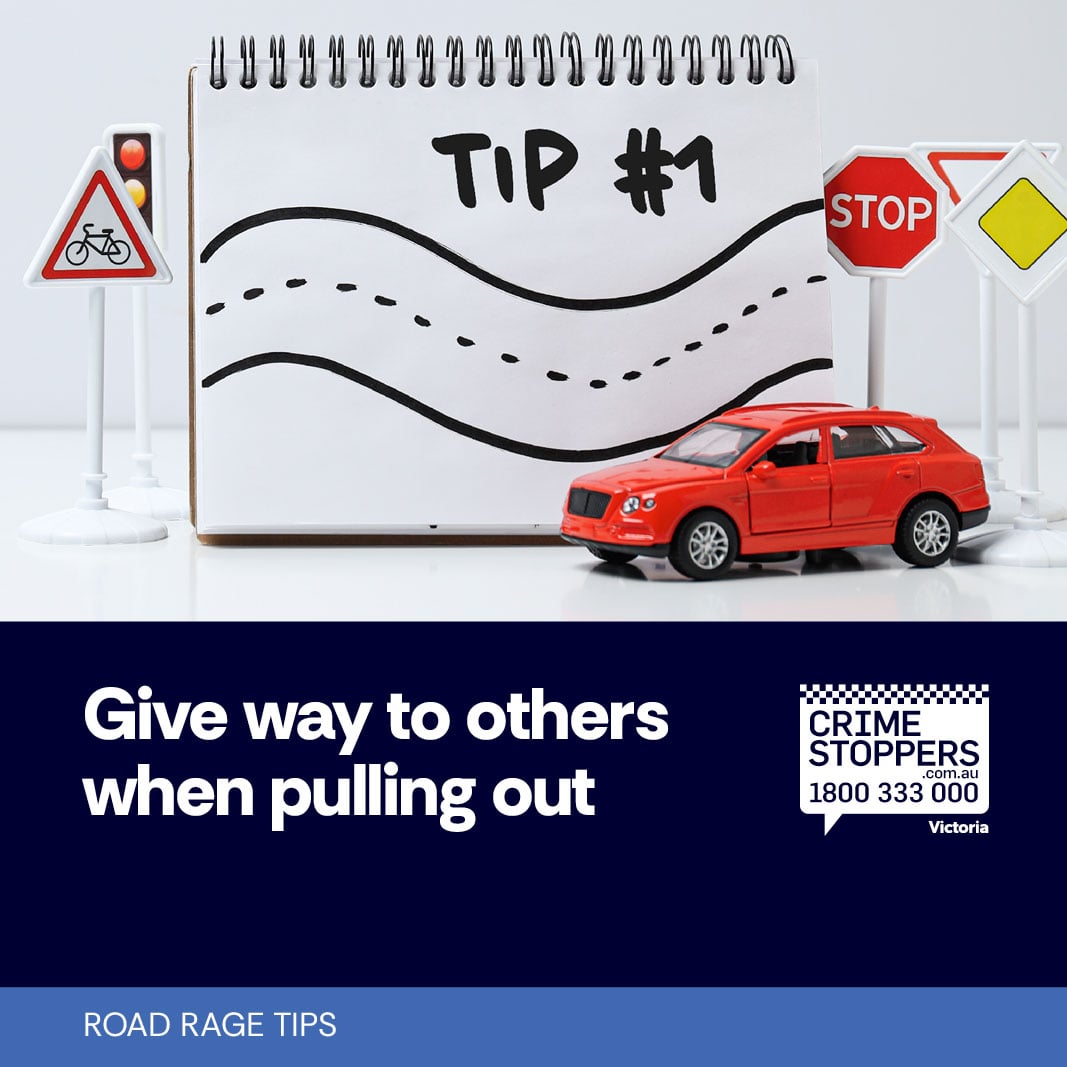
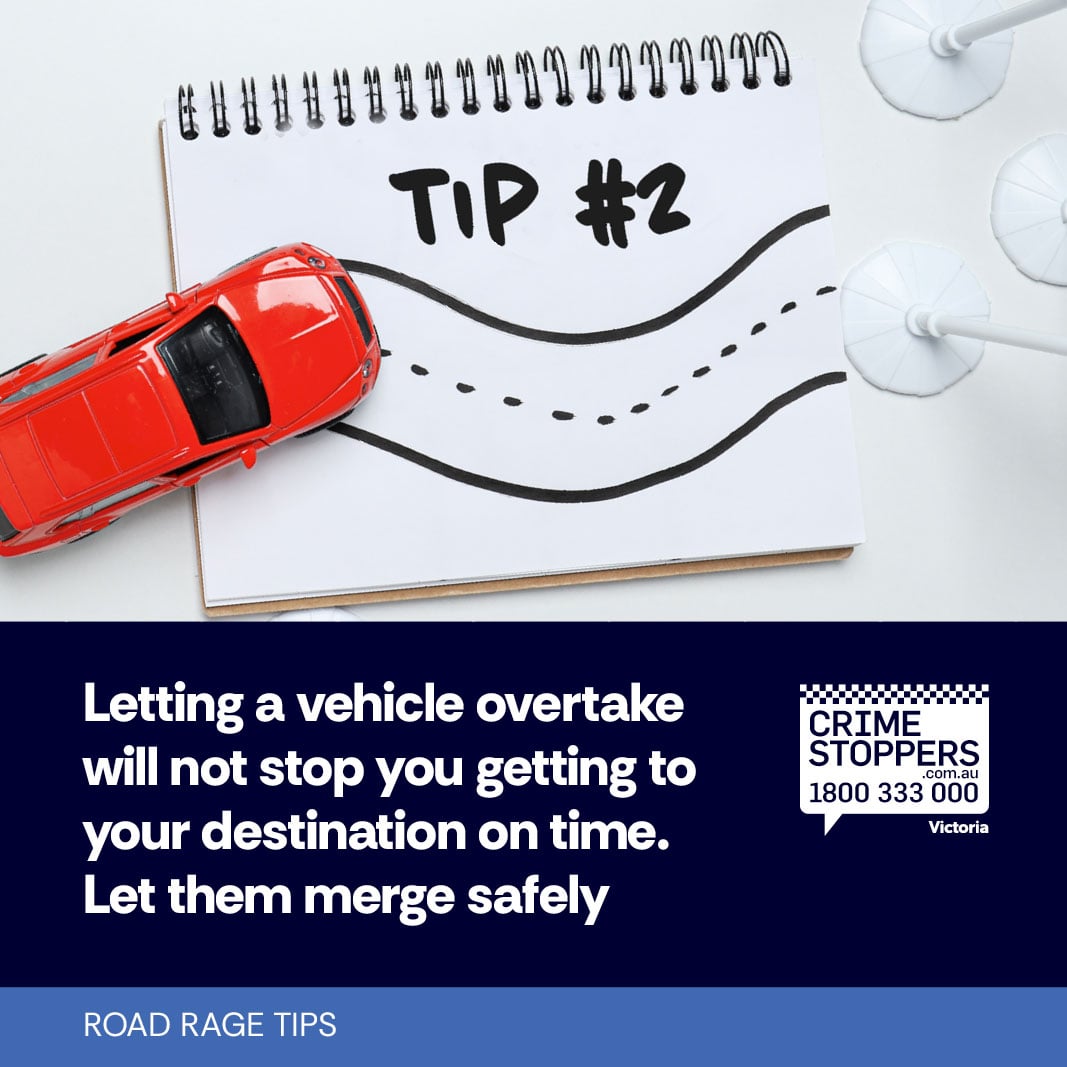
To prevent road rage, it is important to drive courteously. This means avoiding slow driving in the right lane, giving way to merging vehicles, and refraining from blocking intersections. It is also crucial not to react to aggressive drivers and to remain calm even when provoked.

The consequences of aggressive driving
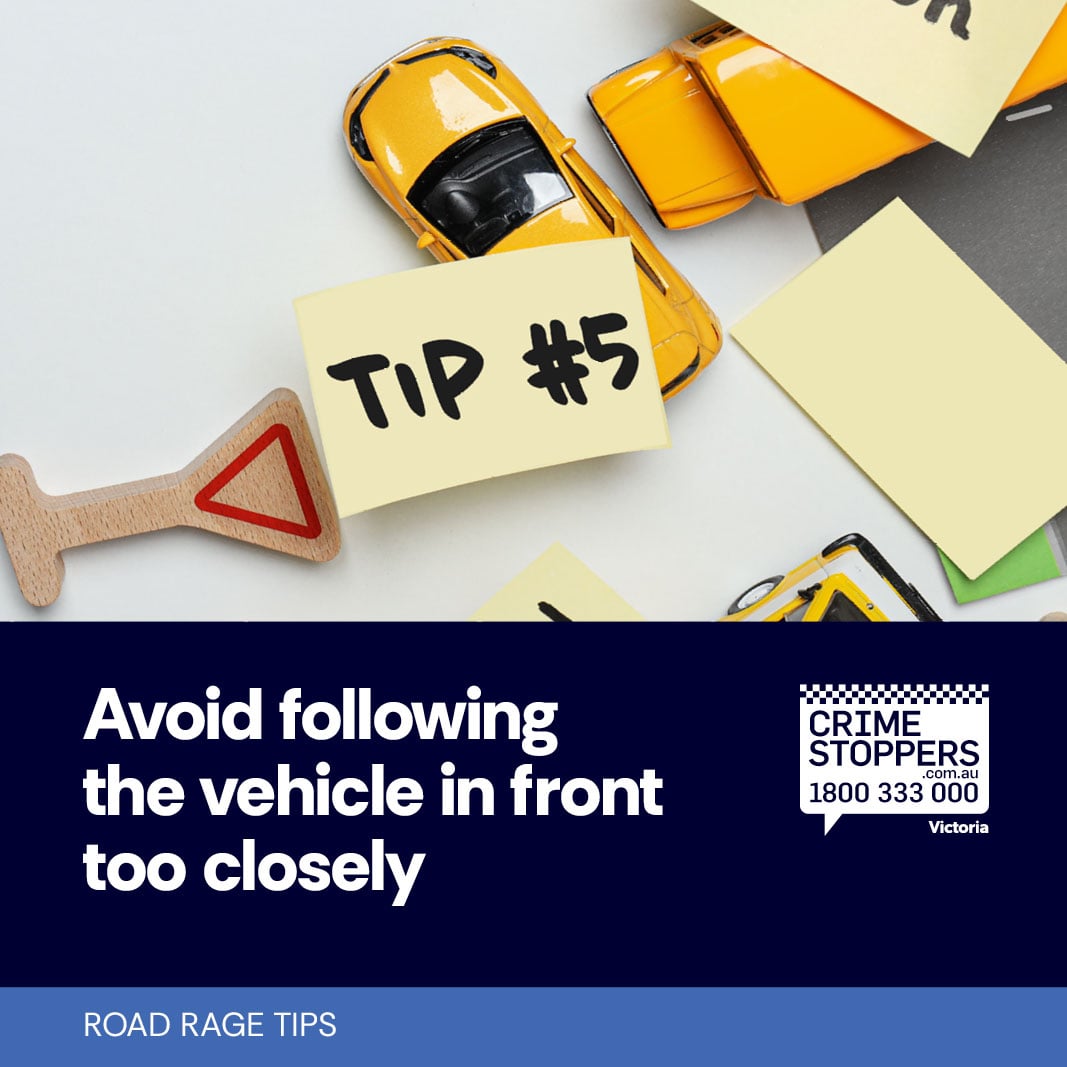
In Victoria, aggressive driving behaviours, such as tailgating, are illegal. Under our state’s anti-hoon laws, Victoria Police have the authority to impound a vehicle for up to 30 days upon suspicion of reckless driving. For repeat offenders within a three-year period, permanent confiscation of the vehicle is also a possibility. Additional consequences can include fines of up to $28,000, imprisonment for up to two years, and the loss of one’s license. Given the severity of these penalties, it is crucial to always drive responsibly.
Reporting road rage
Every Victorian deserves to feel safe on the road. In cases where you may be in danger and an immediate response is needed, call Triple Zero (000). If you witness or have knowledge of a road rage incident and wish to remain anonymous, you can make a difference by telling Crime Stoppers what you know. You can contact Crime Stoppers on 1800 333 000 or report online. Additionally, if you have captured footage of a road rage incident on your dashcam or any other recording device, sharing it can help Victoria Police investigate and take appropriate action. You can submit such footage when making your report online.
By recognising road rage, understanding what triggers it, and proactively avoiding confrontations on our streets, we can collectively foster a culture of respect and civility behind the wheel. Remember, “don’t be a fool, keep your cool,” and let us try to ensure that every journey is a smooth and stress-free experience for all Victorians.