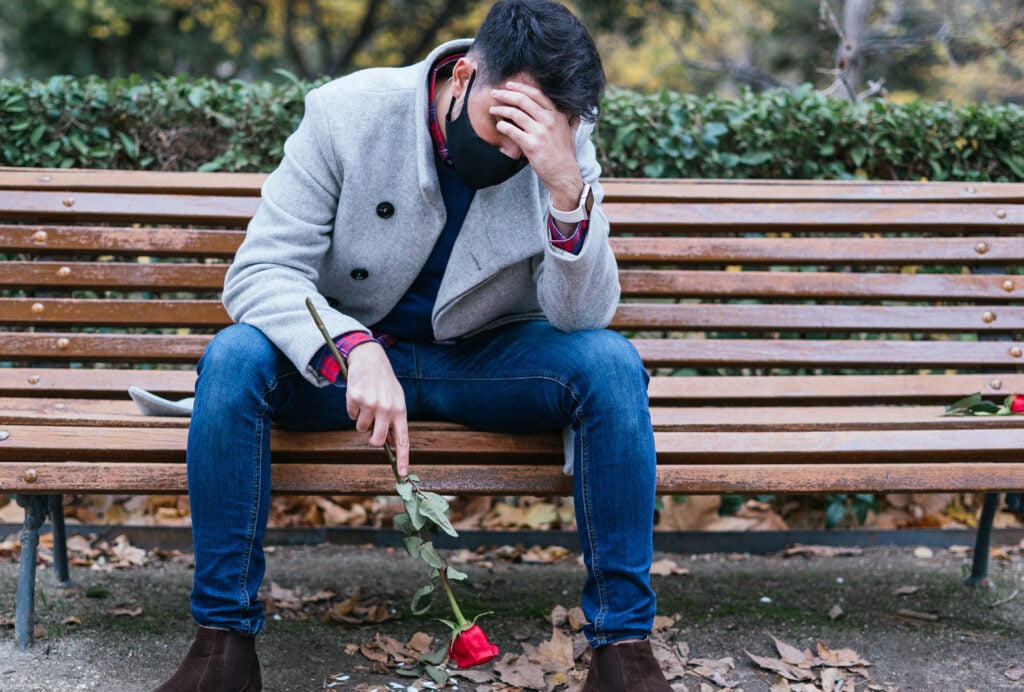
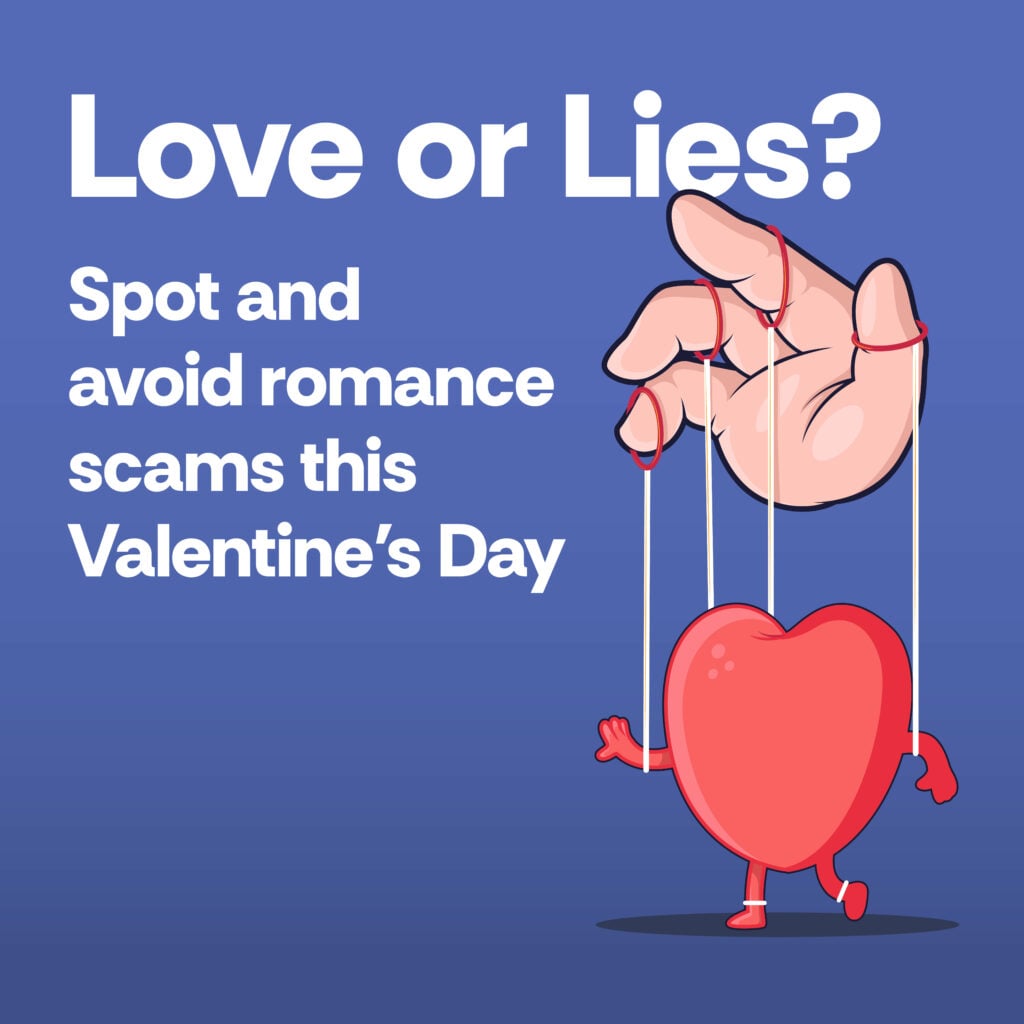
Valentines Day can be a beautiful celebration of love for many, but for those who are back on dating apps and websites it is the perfect time to ensure you’re looking for love in the right places.
In 2023 alone, Scam Watch reported that Australian’s lost more than $33 million to dating and romance scams. This makes it the second highest loss to scams behind investment scams.
Many of these romance scams are performed online by scammers who ‘catfish’ their victims.
Catfishing is the process of luring someone into a relationship by means of a fictional online persona, often for personal gain. Romance scammers are using love to convince victims to transfer funds or buy gifts. They are experts at making you feel important and special, so you believe the relationship is real.
If you’re unsure of the images you’ve received of the person, do a reverse image search on Google or use the Google Lens app.
Scammers have been known to even wait years and have multiple victims before an ‘emergency’ and requesting cash or products.
So, what should you do to ensure you’re not being swindled by these increasingly sophisticated scammers?
Online investigation tips
Ifyou’re unsure of the images you’ve received of the person, do a reverse image search on Google or use the Google Lens app. It might reveal that the imagesbelong to a famous person or are linked to different names. Check their presence on other social media platforms for clues, which can include a lack of friends, photos, and posts.
Review your privacy settings
Manage your digital footprint by reviewing privacy settings on each platform you use. Ensure your photos and information are not easily accessible. If you suspect someone is catfishing, take screenshots, report and block them. Do a quick Google search of your name to see how much personal information is online. Understanding your digital footprint can help protect you from being the target of scammers.
Remain sceptical
We all know the saying…. If something seems too good to be true, it probably is. Be cautious when you’re contacted by someoneout of the blue. Always trust your instincts, and if their story doesn’t add up, share your concerns with friends or family.
Watch for warning signs
Does the person seem overly familiar with your life? Are they pressuring you for explicit content or cash/cryptocurrency? Do they share personal stories of financial hardships or want to know your own financial information? Never share any personal information until you’ve done some online investigating.
If scammed, contact your bank immediately
It’s a common theme for those involved in false online relationships to feel embarrassed, which leads to a lack of reporting and makes it even more difficult to recover any lost cash. If you do feel you’ve been scammed, contact your bank immediately to find out the feasibility of getting your funds back.
For more information
For more details on how to keep yourself safe online, visit esafety.gov.au.